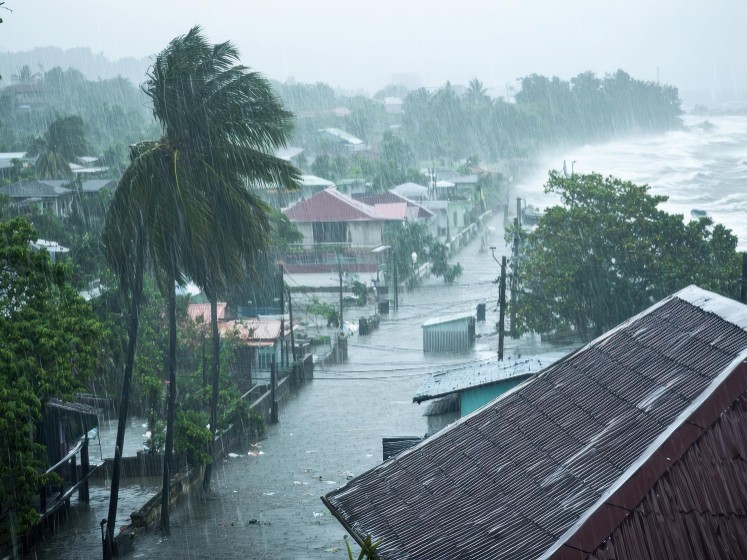
After the storm- the hidden dangers Typhoons and tropical storms are very common occurrences here in Vietnam and cause significant damage and loss of life. There are many dangers during these events and some risks are easy to recognise, falling trees and debris flying in the wind cause traumatic injuries.
Moving flood water, as drainage systems are overloaded, is very powerful.
Moving water as low as 150 mm can knock over an adult causing injuries in the fall but in deeper water, even a strong swimmer will face difficulty. Then add in floating debris.
Once the rain has stopped, the wind has died down, and a sense of uneasy calm settles in. For many, the immediate threat of the storm has passed. But for those in flooded areas, the danger is far from over. In fact, some of the most long-lasting threats are in the water that now surrounds them.
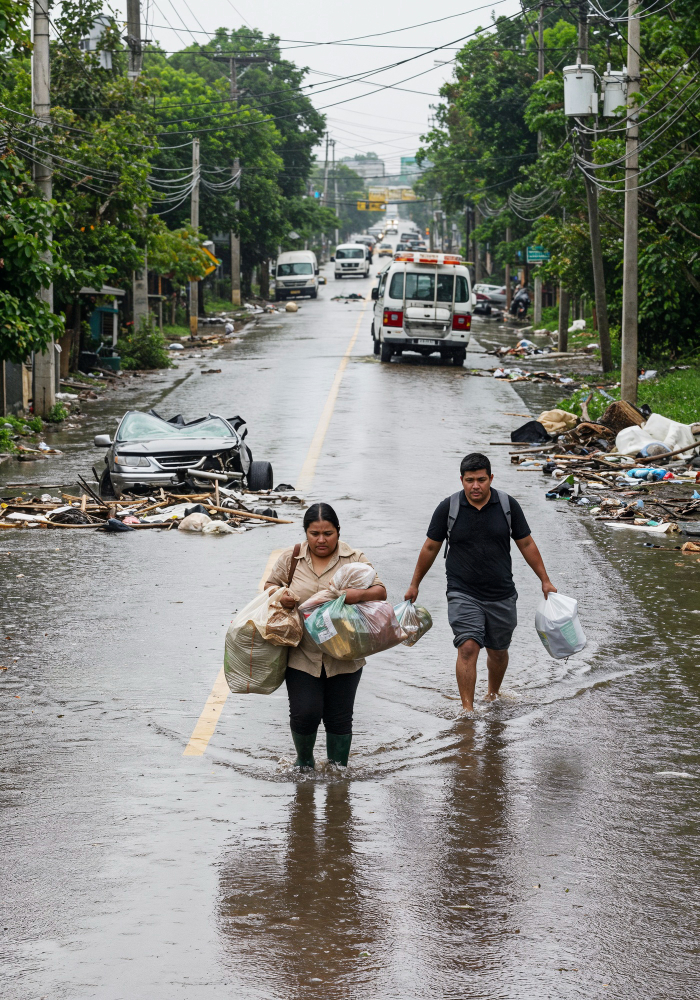
While the dramatic images of raging rivers and wind-battered homes dominate headlines, it is important to understand the silent and hazards that remain in floodwaters long after the storm subsides. Here are some of the dangers you need to be aware of:
Dangers of Inundation Even seemingly shallow floodwaters can be deceptive and dangerous.
- Hidden Obstacles: What looks like a calm, though murky, water can hide many hazards. Washed-out roads, submerged vehicles, downed power lines, sharp debris, and even open manholes can become traps, leading to serious injury or even drowning. A innocent step can turn into a fall into a swift-moving current or a deep crevice.
- Structural Damage: Floodwaters can significantly compromise the structural integrity of homes and buildings. Foundations can be weakened, leading to collapses. Walls, saturated with water, can become unstable. Entering a flooded building without proper assessment by professionals can be a fatal mistake.
- Electrocution Risk: Downed power lines are a major concern. Even if power is out in your immediate area, lines can still be energized from other parts of the grid or from generators. Touching floodwater that has come into contact with a live wire can be instantly fatal. Always assume any downed line is live.
- Chemical Contamination: Floodwaters aren’t just water. They can be a toxic cocktail of chemicals, oil, gasoline, pesticides, and other hazardous materials washed out from homes and businesses. Contact with these can cause long-term health problems. Infection and Disease Floodwaters are a breeding ground for bacteria, viruses, and parasites, posing a significant risk of infection and disease.
- Waterborne Illnesses: Drinking or even accidentally swallowing contaminated floodwater can lead to severe gastrointestinal illnesses like cholera, typhoid, E. coli, and giardiasis. Symptoms can range from severe diarrhea and vomiting to dehydration and even death, especially for vulnerable people.
- Wound Infections: Any open cuts, scrapes, or sores that come into contact with floodwater are highly susceptible to infection. Bacteria from sewage and animal waste can enter the bloodstream, leading to serious complications like tetanus, cellulitis, or even sepsis if left untreated. Always clean and cover wounds thoroughly.
- Vector-Borne Diseases: Stagnant floodwaters create ideal breeding grounds for mosquitoes. This can lead to an increased risk of mosquito-borne diseases like West Nile Virus, Zika, and dengue fever, which can have long-lasting effects. Animals and Snakes The disruption caused by flooding often displaces wildlife, bringing them into unexpected contact with humans.
- Displaced Animals: Domestic animals, disoriented and frightened by the flood, can become aggressive. Wild animals and rodents, may seek refuge in higher ground, including your home. These animals can carry diseases like rabies and leptospirosis, and may bite or scratch if they feel threatened.
- Floodwaters can carry venomous snakes and other dangerous creatures from their natural habitats directly into residential areas. Snakes, in particular, are excellent swimmers and will seek dry ground. They may hide in debris, under submerged objects, or even enter homes seeking shelter. Staying Safe After the Storm The aftermath of a flood requires caution.
- Stay Out of Floodwaters: The golden rule. Do not walk, swim, or drive through floodwaters. Turn around, don’t drown.
- Assume Contamination: Treat all floodwater as contaminated. Wash hands frequently with soap and clean water, especially before eating. Use hand sanitizer if soap and water aren’t available.
- Protect Wounds: Keep any open wounds clean and covered with waterproof bandages.
- Beware of Wildlife: Be aware of your surroundings and avoid contact with displaced animals. If you encounter a snake, keep your distance and do not attempt to handle it.
- Power Down: Ensure your power is completely turned off before entering a flooded area, or before beginning cleanup. • Boil Water: If your water supply is compromised, boil all drinking water or use bottled water.
- Boil Water: If your water supply is compromised, boil all drinking water or use bottled water.
- Wear Protective Gear: When cleaning up, wear sturdy, waterproof boots, long pants, gloves, and a mask to protect yourself from chemicals, sharp objects, and mold.
The immediate relief when the storm passes is understandable. But it is important to remember that the dangers don’t disappear with the rain. By understanding the hidden threats in floodwaters, you can take the necessary precautions to protect yourself and your loved ones during the days and weeks that follow. Stay safe, stay informed.
Author: Tony Coffey Paramedic, Co-Founder Survival Skills Vietnam