A stroke or more correctly Cerebral Vascular Accident (CVA), sometimes referred to as a “brain attack,” occurs when the blood supply to part of the brain is interrupted or reduced, depriving brain tissue of oxygen. Within minutes, brain cells begin to die. Recognizing the signs and symptoms of a stroke is crucial for successful treatment, which can significantly improve outcomes. Strokes can present with a variety of signs, some appearing early and others later.

Tragically many people who have a stroke are alone or asleep when this occurs so understanding the early and late signs and knowing when to seek urgent medical attention can be lifesaving.
Advances in diagnosis and treatment have greatly improved outcomes for stroke patients but the key to a successful recovery is early response and rehabilitation.
Diagnosis and Treatment:
Once a stroke is suspected, rapid diagnosis is critical to determine the type of stroke and initiate appropriate treatment.
- Diagnosis can include physical examination, brain scans (MRI or CT), ultrasound, and ECG traces.
- Stroke can either be a blockage of a blood vessel (ischaemic) or a bleeding blood vessel (haemorrhagic) and the treatment is different for each.
- Treatment aims to restore blood flow (for ischaemic stroke) or control bleeding and reduce pressure (for haemorrhagic stroke) and prevent complications and future strokes.
The sooner a stroke is recognised and treated the better the outcome for the sufferer.

Early signs and symptoms can include:
- Sudden numbness or weakness in the leg, arm, or face, especially on one side of the body.
- Sudden confusion or trouble understanding speech.
- Sudden trouble seeing in one or both eyes.
- Sudden trouble walking, dizziness, loss of balance, or coordination.
- Sudden, severe headache with no known cause.
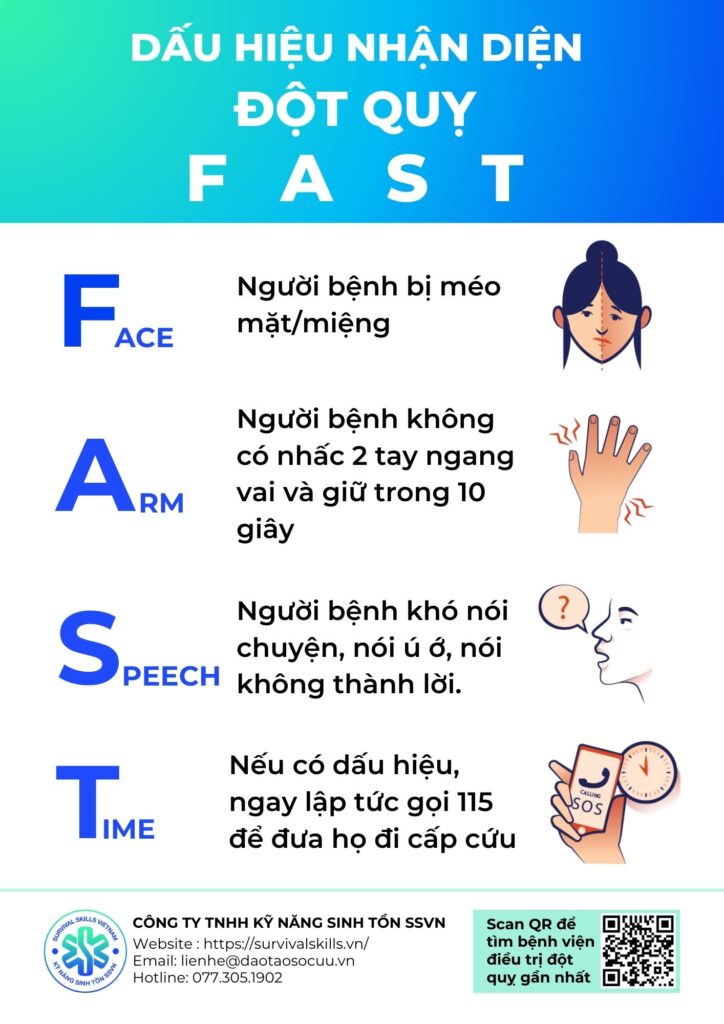
The acronym F.A.S.T. is a widely recognized and easy-to-remember way to identify the most common signs of a stroke:
- Face Drooping: Does one side of the person’s face droop or feel numb?
- Arm Weakness: Is one arm weak or numb? Ask the person to raise both arms. Does one arm drift downward?
- Speech Difficulty: Is speech slurred, or is the person unable to speak or hard to understand?
- Time to get to a hospital that has the capability and the personnel to diagnose and treat stroke. Note the time when the symptoms first appeared.
The person must go to hospital even if the signs and symptoms appear to go away. Many people have a “mini stroke” or temporary attack before have a major one.
While early recognition is key, some symptoms might become more pronounced or develop later, especially if early signs were subtle or missed. These can indicate greater brain damage or complications:
- Persistent weakness or paralysis on one side of the bodyThis can affect walking, holding objects, and normal daily activities like eating and toileting.
- Difficulty with speech and language including trouble speaking, understanding, reading, or writing. The type and severity can depend on the affected region in the brain.
- Swallowing difficulties, which can lead to choking or pneumonia.
- Cognitive impairments, such as memory loss, difficulty concentrating, problems with judgment, and impaired executive functions.
Late signs and Symptoms of stroke after the event:
- Emotional changes, including depression, anxiety, irritability, and sudden mood swings. Post-stroke depression is common.
- Visual field problems, where a person loses part of their visual field, often on one side.
- Pain, particularly in affected limbs.
- Fatigue, which can be debilitating and persist for a long time after a stroke.

The aim of first aid for stroke is to minimise any brain damage until medical help is provided. This includes reassuring the person while keeping them as comfortable as possible but not laying flat. If the person insists on laying down have the head and shoulders slightly elevated and, if they become unconscious, on their side in the recovery position to ensure the airway is open and clear. If at any time the person stops breathing normally, commence cardiopulmonary resuscitation (CPR) and keep this going until the person begins breathing normally or a medical professional advises to stop.
Author: Tony Coffey Paramedic, Co-Founder Survival Skills Vietnam.