Bình chọn bài viết này | Rate this page
Wave is created by energy such as the wind. As the wind blows across the ocean passing through water it causes it to move in a circular motion.
Waves will form into a regular pattern of larger and smaller waves. The larger waves in the pattern are called sets. The smaller waves are referred to as the lull. The time between each wave crest is called the wave period and is measured in seconds.
Different conditions affect waves. It’s important to understand how waves work and what types of waves may be at the beach when you visit. Watch this video to learn more about how waves are formed.
The stronger the wind, the bigger the swell.
The wind needs to push the waves towards the beach for there to be surf. Sometimes beaches are also protected by headlands or reefs, which stop waves from reaching the beach.
The distance the wind has been blown over the ocean. The bigger the fetch, the bigger and cleaner the surf will be.
As waves approach the coastline and move into increasingly shallow water they will start to slow down. There comes a point where the top of the wave overtakes it and starts to spill forward. The wave will then start to break. On any beach, there will commonly be a combination of three types of breaking waves. Each breaking wave has their own characteristics.
[cq_vc_materialcard title=”Plunging waves” icon_fontawesome=”” colorstyle=”#3BAFDA”]

Plunging or dumping waves create a hollow tube when they break. Surfers call this the ‘barrel’ or ‘tube’. Plunging waves are particularly dangerous as they can pick people up and ‘dump’ them onto shallow sandbanks or reefs with great force.[/cq_vc_materialcard]
[cq_vc_materialcard title=”Spilling or rolling waves” icon_fontawesome=”” colorstyle=”#3BAFDA”]

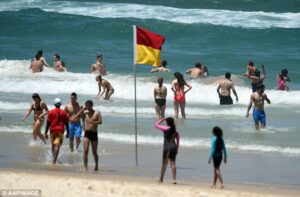
Spilling or rolling waves are found where there are generally flat shorelines. They occur when the crest breaks onto the wave face itself. These are generally the safer types of waves to swim in.[/cq_vc_materialcard]
[cq_vc_materialcard title=”Surging waves” icon_fontawesome=”” colorstyle=”#3BAFDA”]
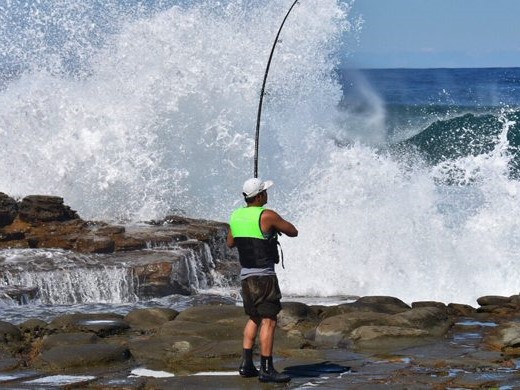
Surging waves may never actually break as they approach the water’s edge as the water is very deep. They are commonly seen around rock platforms and beaches with steep shorelines. They are dangerous because they can appear suddenly and knock people over before dragging them back into deeper water.[/cq_vc_materialcard]
Learn more about Water Safety
Attend our online and offline water safety and rescues courses
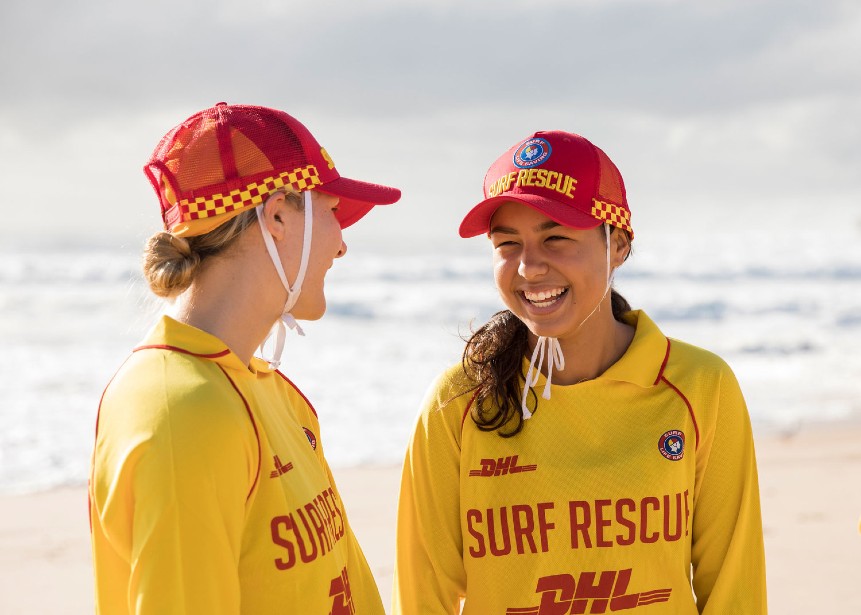
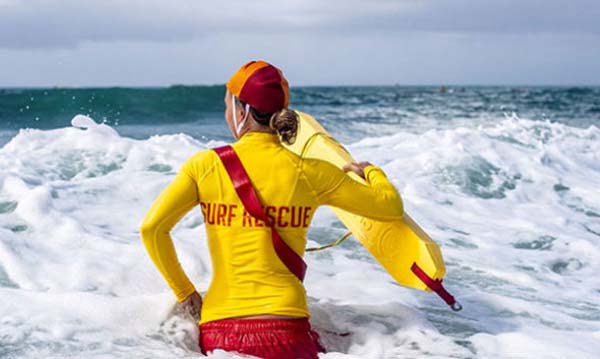
We are at the beach to help you. When you visit the beach come and see us and we can tell you about beach conditions and the safest place to swim.


 Spilling or rolling waves are found where there are generally flat shorelines. They occur when the crest breaks onto the wave face itself. These are generally the safer types of waves to swim in.[/cq_vc_materialcard]